
September 4, 2026
How Sales Reps Are Using AI Voice Recorders to Win More Deals
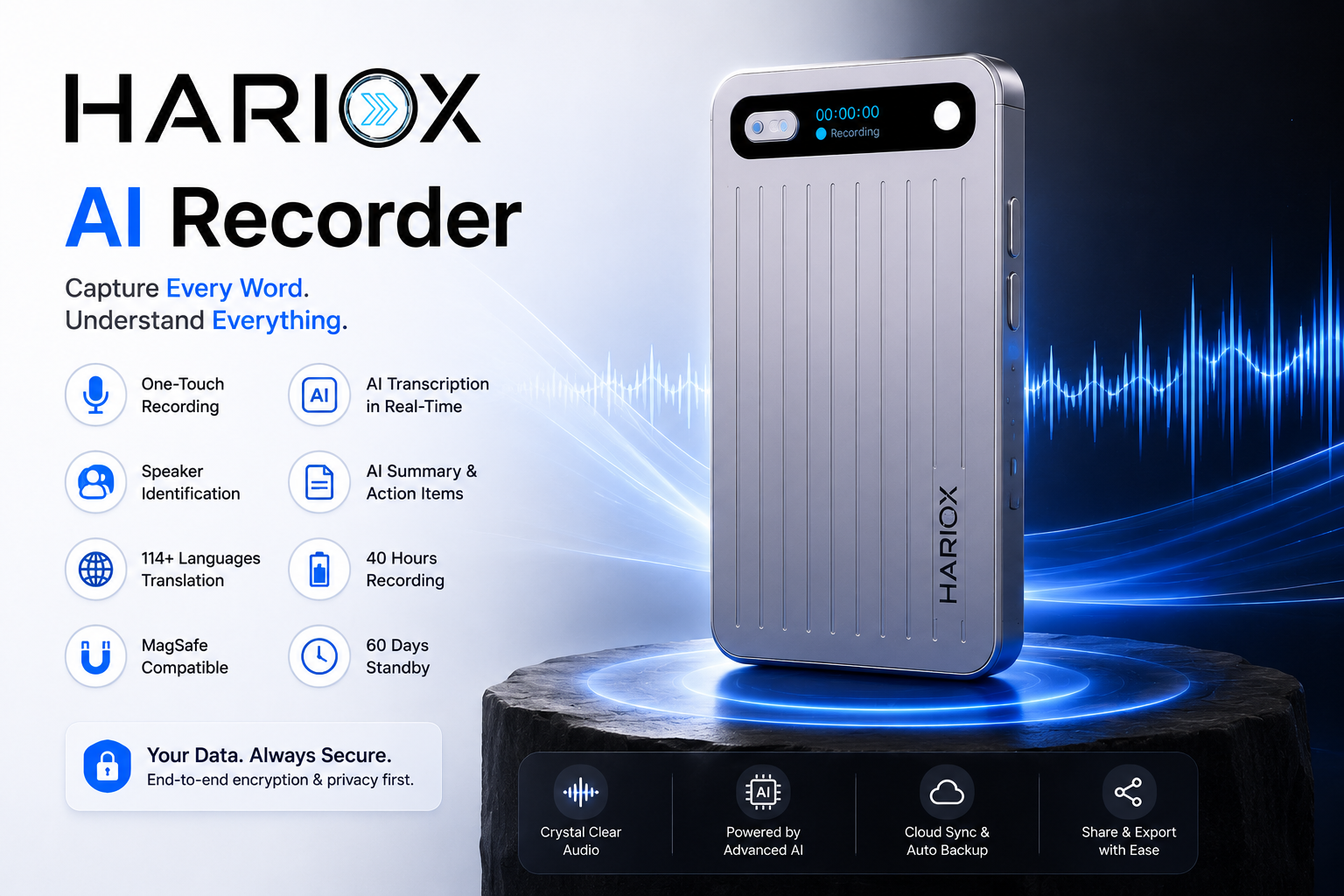
Short answer: the value isn't the recording itself — it's what happens after. A rep who isn't scribbling notes during a discovery call listens better, asks sharper follow-up questions, and writes CRM notes that are actually usable, because the transcript and summary already exist by the time the call ends.
The real problem it solves
Most sales notes are written in the ten minutes after a call, from memory, half-focused on the next meeting. Details get flattened or lost — the specific objection a prospect raised, the exact budget number they mentioned, the name of their competitor's tool. None of that is dramatic, but all of it matters when you're trying to close.
Where it fits into a sales day
- Discovery calls — capture the prospect's own words on pain points, which are more persuasive in a proposal than a rep's paraphrase.
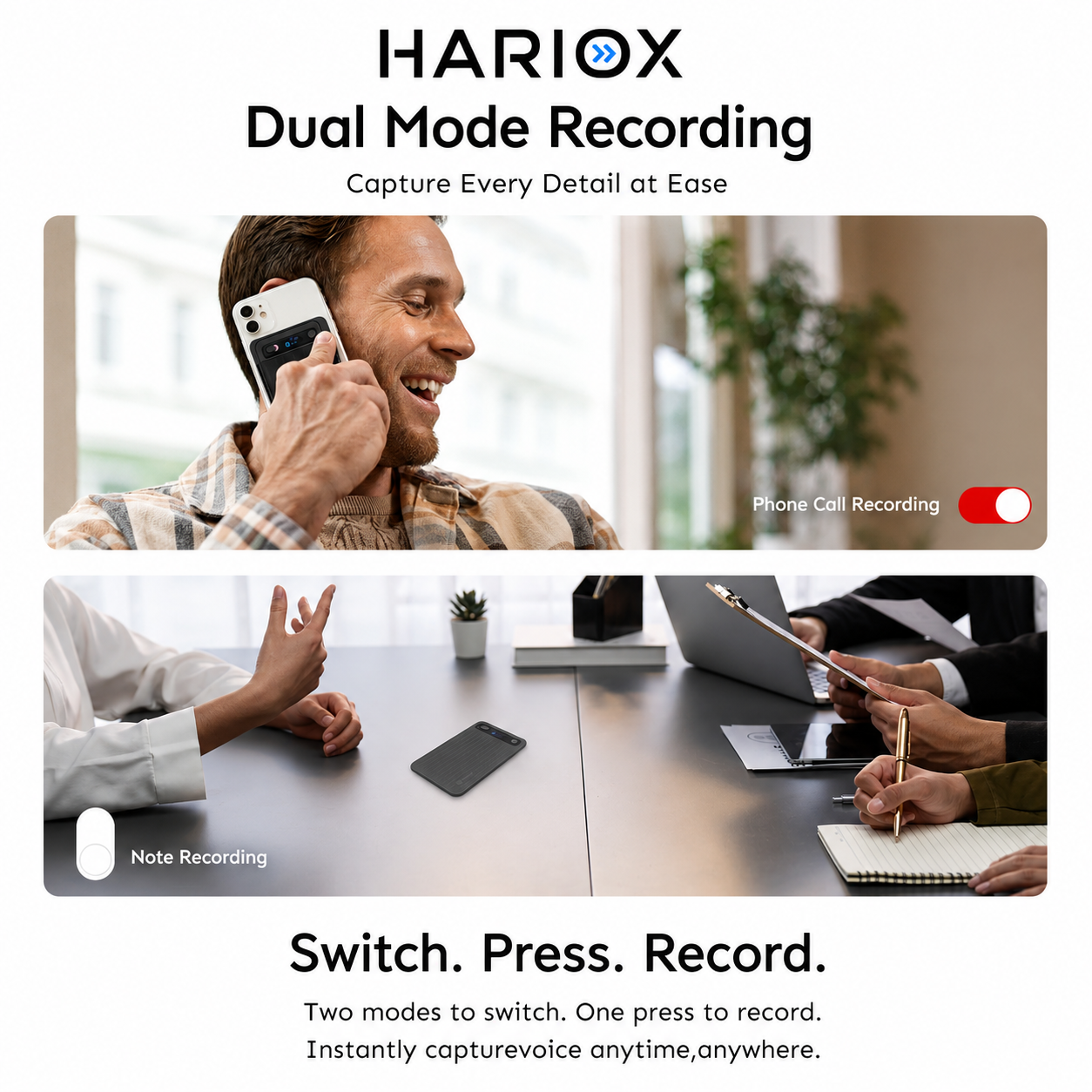
- In-person client meetings — most CRM call-recording tools only cover phone and video calls. A dedicated recorder covers the coffee-shop meeting too.
- Negotiation calls — having an accurate record of what was actually agreed avoids the "I thought we said" conversation later.
- Onboarding new reps — real transcripts of strong calls are a far better training tool than a script.
What it doesn't fix
It won't make a weak pitch stronger, and it doesn't replace CRM discipline — someone still has to move the summary into the pipeline. It's a tool for capturing what already happened accurately, not a substitute for sales skill.
Sales workflow comparison
| Task | Manual notes | With an AI voice recorder |
|---|---|---|
| Post-call CRM update | 10–15 min, from memory | Copy from summary, 2–3 min |
| Attention during the call | Split between listening and writing | Fully on the conversation |
| In-person meeting capture | Rarely recorded | Captured the same as a call |
| Follow-up accuracy | Depends on memory | Based on the actual transcript |
FAQ
Should I tell prospects I'm recording?
Yes — always disclose it, and check your local consent laws (some regions require both parties' consent). It's also just good practice for trust.
Does it integrate with my CRM?
HARIOX exports and shares transcripts and summaries; check the app for current integration options before assuming full native sync.
Is this only useful for high-ticket sales?
No — any role with a lot of repeat conversations (support, account management, recruiting) sees a similar benefit.
See how HARIOX works for meetings and calls on the product page.